
Private sensing instead of normal video
Lumisafe reads distance and motion from Time-of-Flight depth data, so it can work in private rooms without recording normal color video.
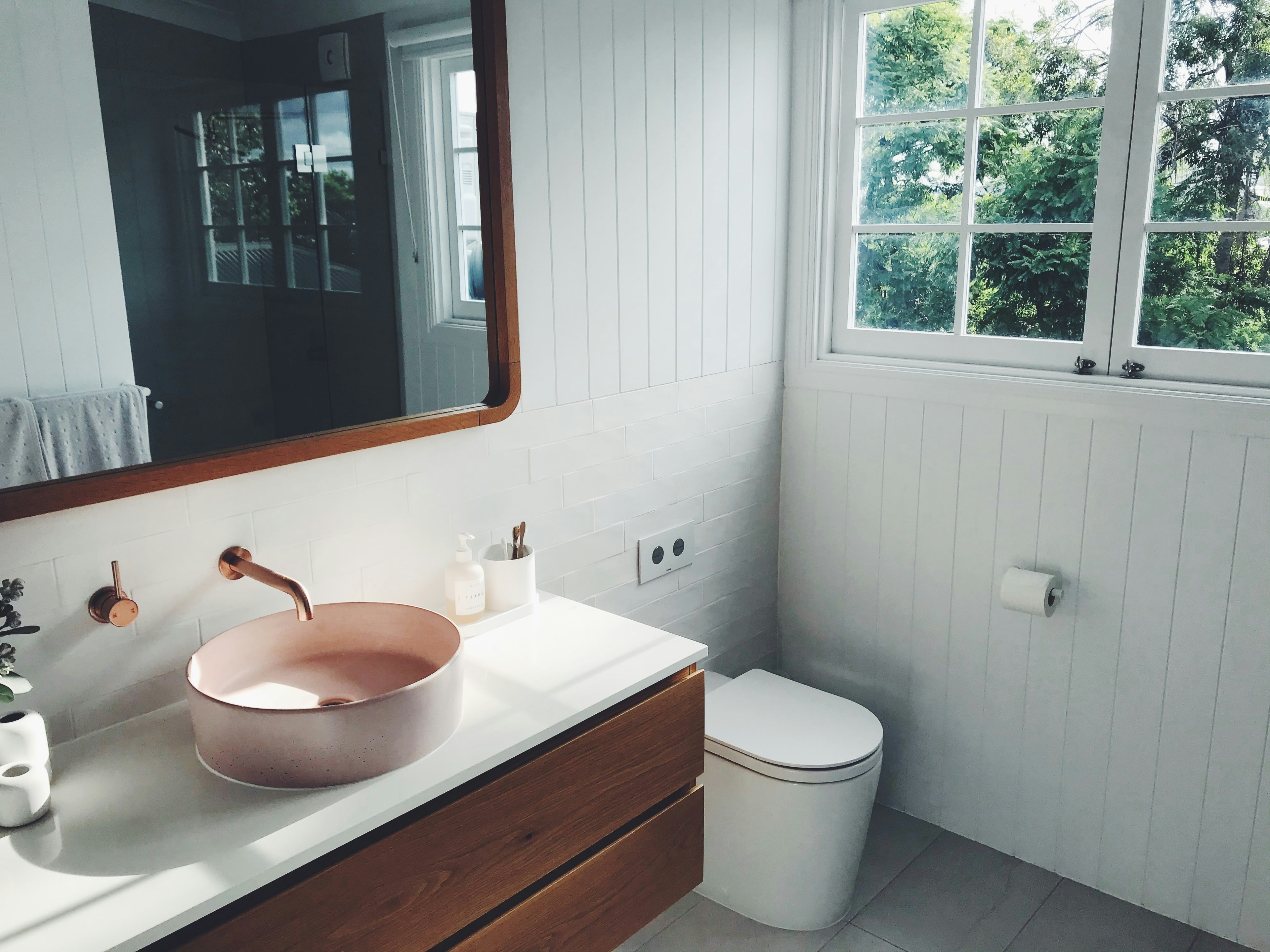
Lumisafe is a privacy-first fall detection system that uses Time-of-Flight depth sensing and local AI to detect falls in private spaces without recording normal video.
Available now
Lumisafe is built for private spaces such as bathrooms, bedrooms, and care environments. The prototype observes depth and movement, runs inference locally, and sends alerts without collecting normal video.
Student research prototype. Not a medical device. For direct questions, email jun@thelumisafe.com.
97.7%
fall-detection accuracy
In prototype testing, the classifier correctly recognized fall and non-fall cases at this rate.
100%
local processing
Depth sensing and fall-detection analysis run on the device without needing a cloud video stream.
3.3s
median alert latency
The prototype sent phone notifications quickly after high-confidence detections in testing.
The goal is simple: detect serious falls in places where normal cameras are not acceptable and wearables are easy to forget.
Lumisafe reads distance and motion from Time-of-Flight depth data, so it can work in private rooms without recording normal color video.
Fall detection runs on the device. Raw depth data does not need to be streamed to the cloud for the prototype to decide whether to send an alert.
The room can be monitored without asking someone to remember a pendant, watch, battery, or charging routine.
Prototype testing reports 97.7% fall-detection accuracy, 95.7% precision, and a 3.3 second median notification latency.
Behind the scenes
The technical results matter, but the idea is easier than the metric names: Lumisafe looks at distance and body motion, estimates a simplified body pose, checks for fall-like movement locally, and sends an app notification when confidence is high.
A Time-of-Flight sensor measures distance across the room. That gives Lumisafe body position and movement without recording normal RGB video.
Privacy benefit: no normal video feed
The prototype turns depth patterns into body keypoints, similar to a simple skeleton. Its pose estimator measured 89.38% PCK@10%, a score that checks whether estimated body points are close to the reference positions under the 10% test threshold.
89.38% pose estimator PCK@10%
The fall-detection logic runs on-device and uses the depth-based pose and movement pattern to decide whether an alert should be sent.
95.7% classifier precision
The prototype reached 8.85 FPS on a Raspberry Pi 5 CPU, which means it processed almost nine depth frames each second without needing a dedicated cloud server for detection.
8.85 FPS Raspberry Pi 5 CPU runtime
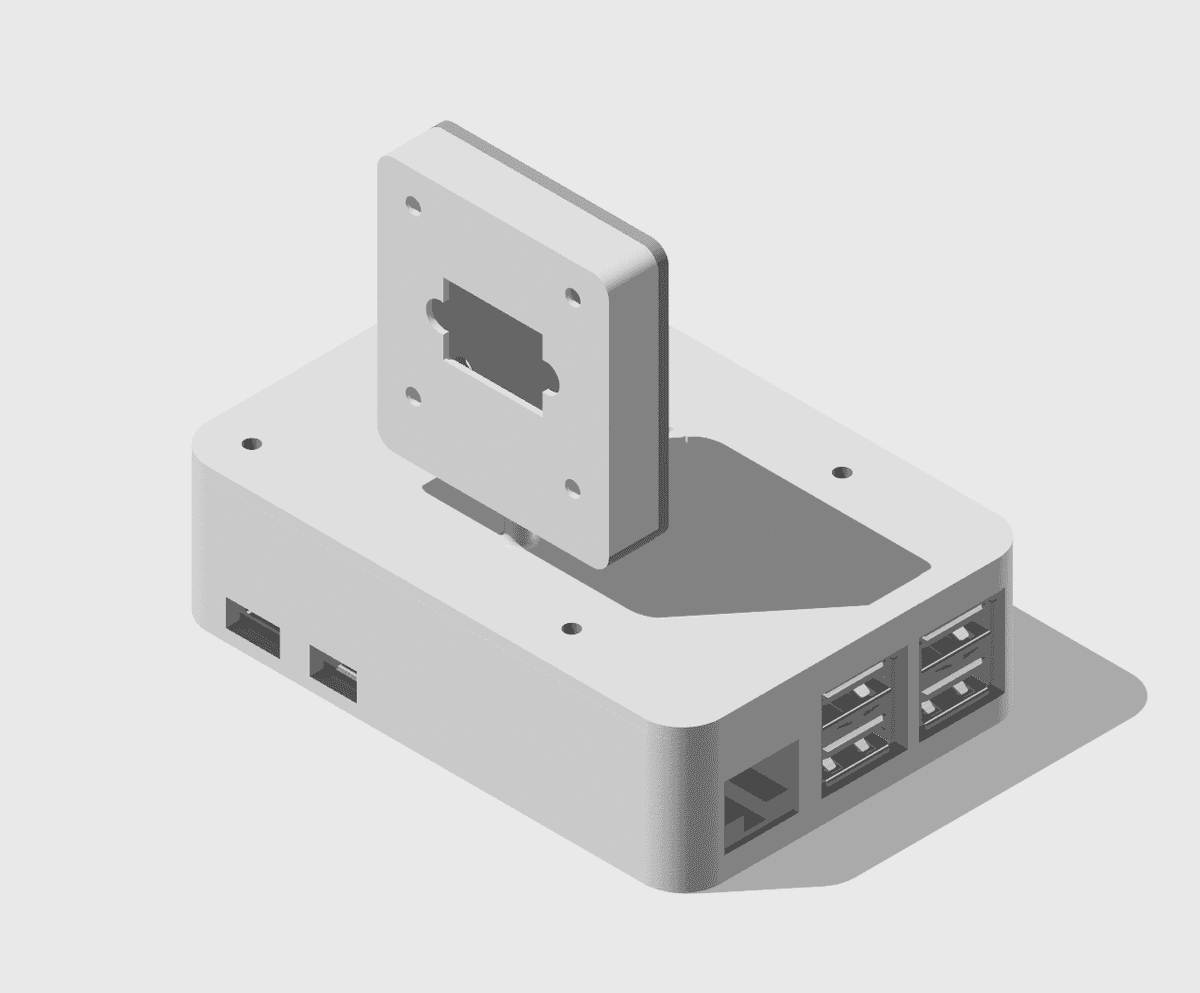
Lumisafe S1
S1 combines Time-of-Flight depth sensing, local processing, and mobile alerts for homes and care spaces where timely fall detection matters and normal cameras would create privacy concerns.
Ready for public access
Household bathrooms and bedrooms where normal cameras are not appropriate.
Assisted living, home health, and caregiver-supported environments.
Local organizations interested in privacy-preserving deployment pilots.
Use the deployment request form for access and deployment inquiries. You can also email jun@thelumisafe.com.
Open deployment request form